
It’s called Access to Work and most people who are eligible have never heard of it.
Access to Work is a UK government scheme run by the Department for Work and Pensions (DWP). It funds practical workplace support for anyone whose disability, health condition or neurodivergence affects their ability to do their job. If you have ADHD - diagnosed, self-diagnosed, or awaiting assessment - you may be eligible for a grant that covers the full cost of coaching. It's available whether you're employed or self-employed and it’s not means tested.
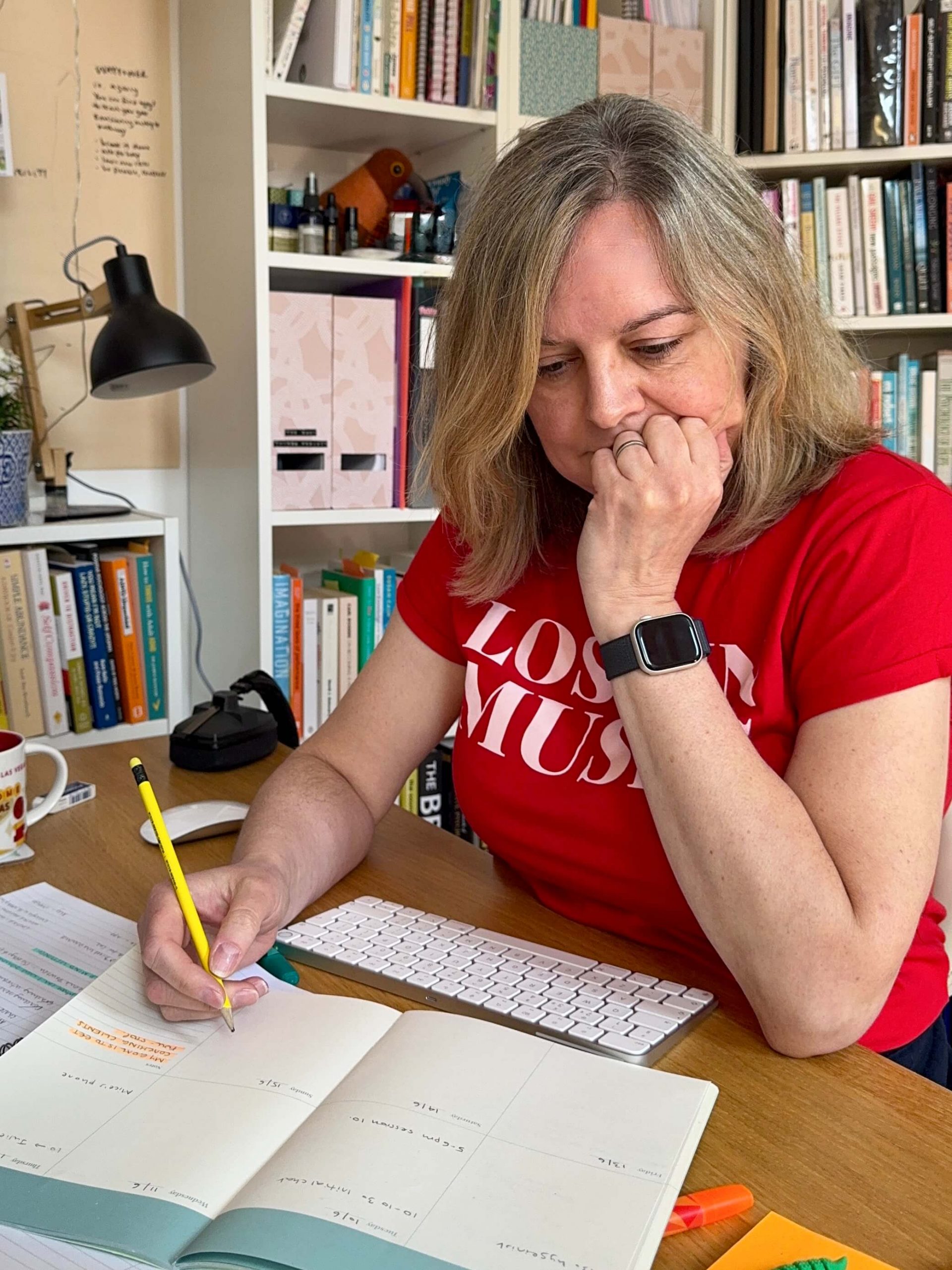
I offer strengths-based ADHD coaching which can include:
£150 per hour
Yes. Coaching is one of the most commonly funded supports under Access to Work. A typical award covers 12 to 20 sessions.
The grant pays for workplace-focused coaching – things like managing executive functions, structuring your workload, meeting deadlines, handling overwhelm, rebuilding confidence at work, and developing strategies that actually fit how your brain works.
This is not therapy. It’s forward-focused, practical support designed to help you do your job more sustainably.
No. You’ll need to demonstrate that your condition has a significant impact on your ability to work. That’s it.
Yes. Access to Work may offer a list of providers, but you are not restricted to it. You can choose a coach who understands your work, your industry, and you feel is a good fit for your needs.
If you’d like to work with me, I can provide a clear written quote that meets Access to Work requirements.
I’ve been self-employed in the creative industries for more than 25 years. I know what it actually feels like to manage ADHD alongside freelance income, inconsistent workloads, creative deadlines, and the quiet exhaustion of masking.
I’m also an Access to Work client myself – so I understand the process, including the parts that aren’t always straightforward.
My coaching focuses on building an internal foundation, not handing you a one-size-fits-all system that can’t flex with your actual experiences. Sessions are tailored to you, every time.
Check your award letter to confirm that coaching or job support is included, then get in touch. I can provide a quote if you need one.
If you’re employed, your employer pays upfront and reclaims the cost through the Access to Work portal.
If you’re self-employed, I invoice per session. This means you can upload each invoice to the portal straight after your session without ever having to pay out of pocket.
I know from my own experience that having to find the money upfront can be the thing that stops you accessing support you’ve already been awarded. I’ve chosen not to work that way.
Unused hours expire at the end of your award period, so while I’d never pressure you into booking, I’d encourage you to be decisive about choosing and planning your sessions from the start.
You can apply directly at gov.uk/access-to-work. The form is straightforward and you won’t be assessed solely on what you write – getting your application in and joining the queue is the most important step.
A note on waiting times: if you’re employed, applications are taking about 8 months to be processed, and if you’re self-employed it’s about 20 months (that is sadly, not a typo). If you are self-employed and think you might be eligible, apply as soon as possible.
No. You need to show that your condition affects your work. Self-diagnosed and awaiting assessment are both fine.
Yes. You’ll need your UTR number and some basic information about your business.
No. I’ve chosen to make it as easy as possible. I invoice after each session, and you upload your invoice to the Access to Work portal straight away. This way I’ll be paid directly and there’s no need for you to find the money yourself first. I know from experience that paying upfront – even temporarily – can be a real barrier. It doesn’t have to be.
You can appeal. If you can demonstrate why coaching is the right support for your situation they may change their decision. I also have a low-cost coaching waitlist and you’re welcome to sign-up to that.
All sessions are online via Zoom, which means I can work with clients wherever you are.
Unused funding expires at the end of your award period. It’s worth planning your sessions from the start and I try to make the invoicing process as simple as I can, so don’t let that put you off.
Just get in touch with the details of your award and I’ll respond with a clear, straightforward quote that meets Access to Work requirements.
If you have a grant and want to explore working together, or you’d like a quote, contact me to get the ball rolling.
If you’re still deciding whether to apply, you’re still welcome to get in touch now. When your grant comes through, you’ll be ready to start straight away.

Want to talk through whether coaching is right for you? You can book a 20-minute, no-pressure Zoom call using the calendar below.
Join my mailing list
I send a newsletter every Friday morning. It’s a low-stakes way to get to know me, and find out how coaching can work in practice, along with some simple things to try out for yourself.
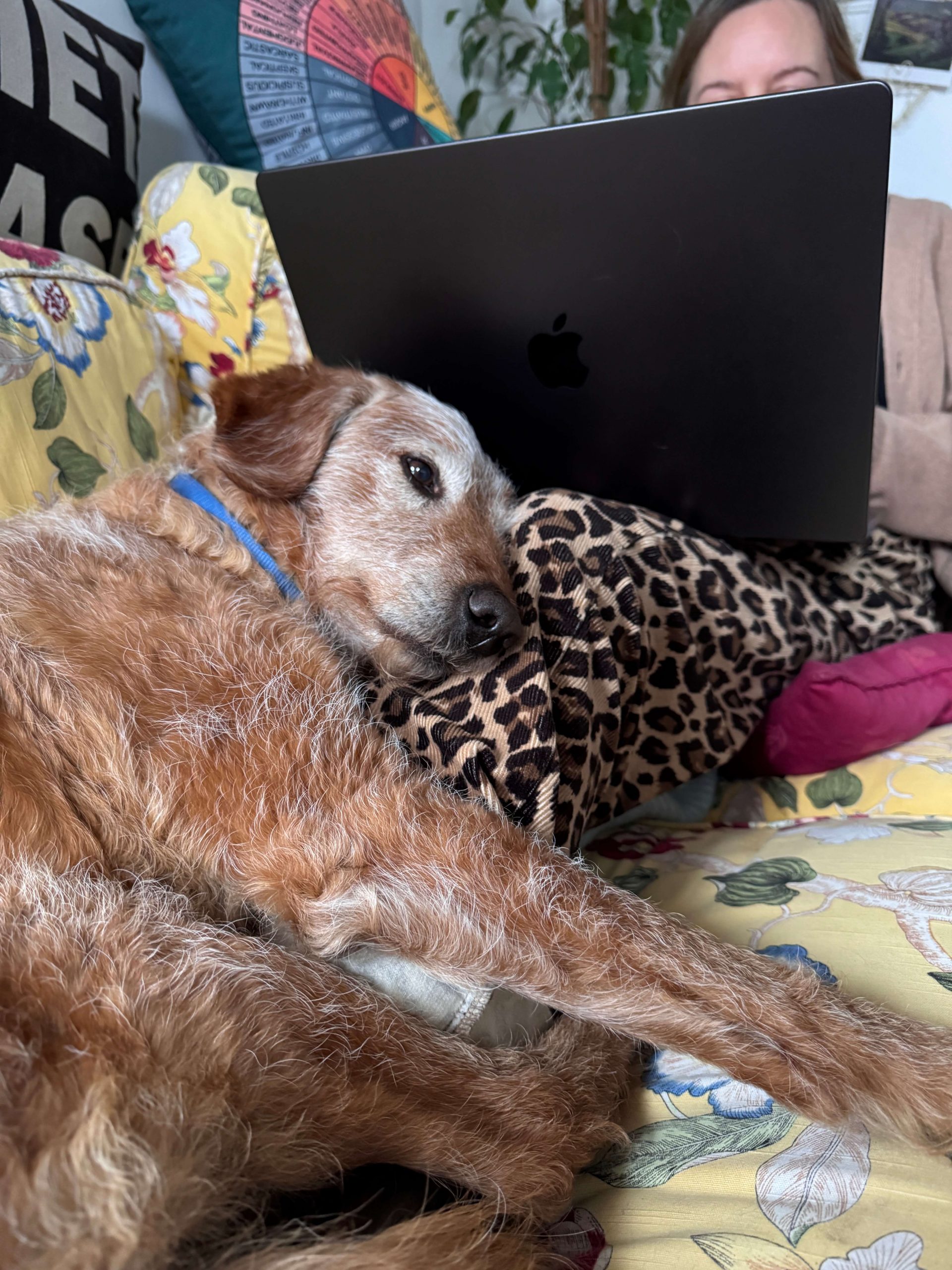
Along with Gilbert (Head of Wellbeing) featuring fairly regularly – I’m sure he thinks he’s helping write the newsletter here – you’ll also be the first to hear about any new offers.
I’ve got your message and will reply as soon as possible.
Here are a few other ways you can contact me:
I’ve got your message and will reply as soon as possible.
Here are a few other ways you can contact me: